Industrial Benefits of Cotton
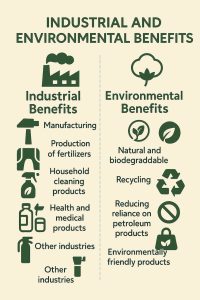
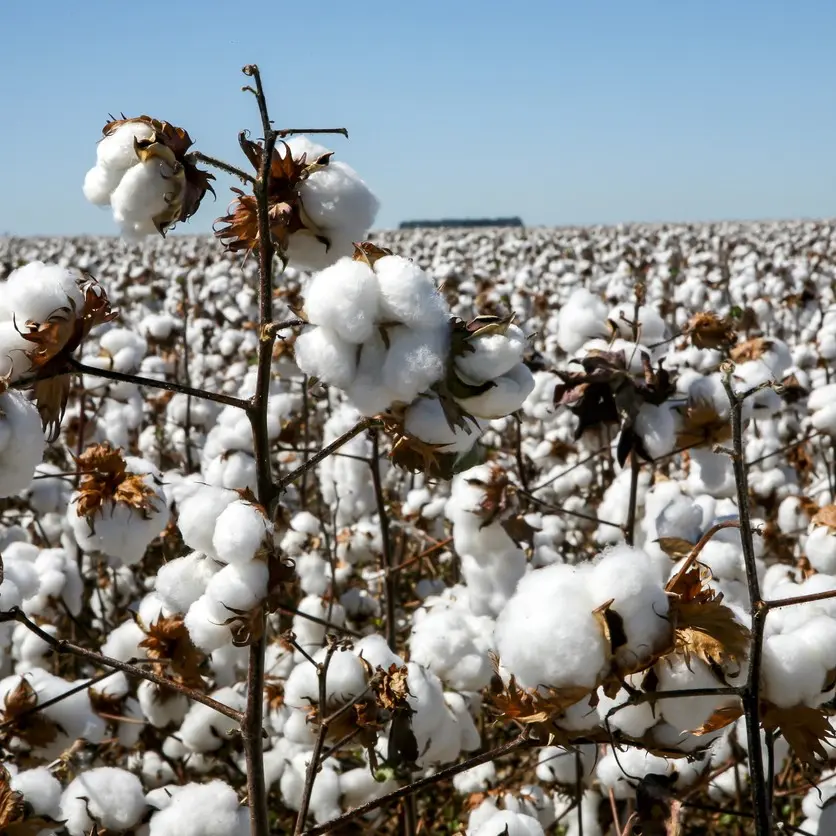
Cotton is used in a wide range of industries and is considered one of the most commonly used natural fibers in the world. Here are its main industrial applications:
1. Textile and Garment Industry
-
Clothing:
Cotton is a primary material in producing various types of garments such as shirts, dresses, trousers, underwear, and sportswear. -
Medical Apparel:
Used in items like lab coats, head coverings, and face masks due to its hygienic properties. -
Military Uniforms:
Utilized in field uniforms for its durability and ability to absorb sweat.
2. Home Textiles and Furnishings
-
Includes blankets, bedspreads, sheets, pillows, curtains, and towels.
-
Cotton is favored in this sector for its moisture absorption and soft texture.
3. Healthcare and Hygiene Products
-
Medical Cotton:
Used for cleaning and dressing wounds due to its purity and ease of sterilization. -
Other Products:
Such as sanitary pads, baby diapers, and personal hygiene items.
4. Other Industries
-
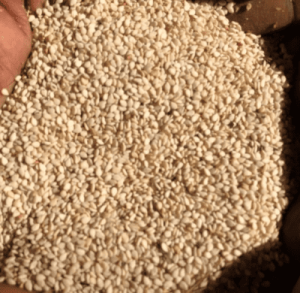
Cottonseed Oil:
Extracted from cotton seeds and used in cooking and food industries (e.g., margarine). -
Cottonseed Meal:
The byproduct after oil extraction, used as animal feed. -
Paper Manufacturing:
Short cotton fibers are used to produce high-quality paper (e.g., banknotes). -
Advanced Industrial Textiles:
Cotton can be chemically treated to become fire-resistant or antibacterial for specialized industrial uses.
Environmental Benefits of Cotton
Despite environmental challenges associated with its cultivation—such as water usage and pesticide application—cotton offers notable ecological advantages compared to synthetic fibers:
1. Natural and Biodegradable Product
-
Cotton decomposes naturally and does not leave plastic waste, unlike synthetic fibers like polyester.
-
Old cotton clothing can be recycled or composted.
2. Recycling Potential
-
Cotton clothing and household textiles can be reused in:
-
Producing new fabrics.
-
Furniture stuffing or insulation materials.
-
Making paper or cotton wipes.
-
3. Reduces Dependence on Petroleum-Based Products
-
Synthetic fibers like acrylic and nylon are petroleum-derived.
-
Promoting cotton production reduces reliance on these non-renewable materials.
4. Eco-Friendly Byproducts
-
Cotton stalks can be used in animal feed or as organic fertilizer.
-
Cottonseed oil is environmentally friendly compared to synthetic oils.
Conclusion
Cotton is not just an agricultural crop—it is a valuable industrial and environmental resource. It plays a role in products that impact our daily lives and offers sustainable, eco-friendly alternatives to synthetic fibers.